Understanding the DOT Physical Exam Requirements
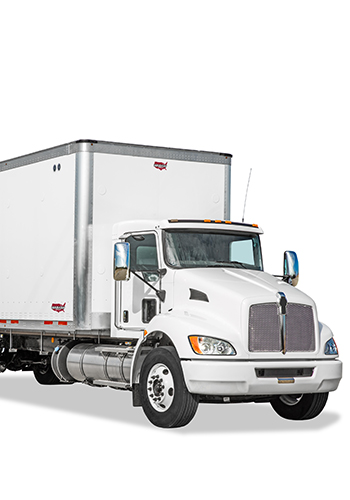
The Department of Transportation (DOT) physical exam is a medical evaluation required for commercial drivers to ensure they are fit to operate large vehicles safely. This exam assesses a driver’s overall health, focusing on physical and mental fitness to reduce risks on the road. If you need a DOT Physical in Spring Hill, FL, it’s important to understand the process and requirements.
Who Needs a DOT Physical?
A DOT physical is mandatory for commercial drivers operating vehicles that:
Have a gross vehicle weight rating (GVWR) of 10,001 pounds or more.
Transport hazardous materials requiring placards.
Carry more than 15 passengers, including the driver.
Operate interstate commerce vehicles.
The Federal Motor Carrier Safety Administration (FMCSA) requires this exam to confirm that drivers meet medical standards for safe driving.
Key Health Requirements for a DOT Physical
During the DOT physical, a certified medical examiner evaluates several health factors to determine if a driver is physically capable of handling commercial driving responsibilities.
1. Vision Requirements
Clear vision is crucial for safe driving. To pass the DOT physical, drivers must have:
At least 20/40 vision in both eyes, with or without corrective lenses.
A horizontal field of vision of at least 70 degrees in each eye.
The ability to distinguish red, green, and amber traffic signals.
If you wear prescription glasses or contact lenses, bring them to your exam to ensure you meet these requirements.
2. Hearing Standards
Drivers must have adequate hearing to detect emergency signals and traffic noise. The requirements include:
The ability to hear a forced whisper at five feet or less in at least one ear, with or without hearing aids.
No severe hearing loss that could impair communication or reaction time.
A hearing test may be conducted if there are concerns about a driver’s ability to hear adequately.
3. Blood Pressure and Cardiovascular Health
Heart health is essential for commercial drivers, as cardiovascular issues can lead to sudden medical emergencies. The examiner will check:
Blood pressure levels – Ideally, it should be below 140/90.
Heart conditions – A history of heart attack, stroke, or other cardiovascular diseases may require additional medical documentation.
Pacemakers or stents – Drivers with these conditions may still qualify if they provide clearance from their cardiologist.
4. Diabetes and Blood Sugar Control
Uncontrolled diabetes can lead to sudden drops in blood sugar, which is dangerous while driving. The DOT physical evaluates:
Blood sugar levels – If over 200 mg/dL, additional testing may be needed.
Diabetes management – Drivers who use insulin must provide an Insulin-Treated Diabetes Mellitus Assessment Form completed by their doctor.
5. Neurological and Mental Health
Drivers must be free from conditions that could impair cognitive function, coordination, or alertness. The examiner will check for the following:
Seizure history – A driver with epilepsy or frequent seizures may not qualify.
Neurological disorders – Conditions like Parkinson’s or multiple sclerosis may require medical clearance.
Mental health stability – Severe psychiatric disorders must be well-managed with treatment and medication.
6. Drug and Alcohol Testing
The DOT physical does not automatically include a drug test, but drivers must comply with DOT drug and alcohol regulations. Employers may require:
Urine drug screenings for substances like marijuana, opioids, and amphetamines.
Alcohol tests to ensure drivers are not under the influence while on duty.
Failing a drug test could result in disqualification from driving duties.
What to Expect During a DOT Physical
If you’re getting a DOT Physical in Spring Hill, FL, here’s what to anticipate:
Medical History Review – The examiner will ask about past illnesses, surgeries, medications, and ongoing treatments.
Physical Examination – A full-body check-up, including vision, hearing, heart, lungs, reflexes, and mobility.
Urinalysis – Tests for signs of diabetes, kidney function, and other health concerns.
Blood Pressure and Pulse Check – Ensures the driver’s cardiovascular system is in good condition.
Additional Testing (if needed) – Some drivers may need extra tests or documentation from specialists.
How Long Is a DOT Medical Card Valid?
After passing the exam, drivers receive a DOT medical card, valid for up to 24 months. However, if a medical condition requires monitoring, the certification period may be shorter, such as 3, 6, or 12 months.
What Happens If You Don’t Pass?
Failing a DOT physical doesn’t mean you can never drive again. If a health issue disqualifies you, consider:
Getting treatment for the condition and reapplying.
Seeking a variance or exemption from FMCSA for specific conditions.
Providing additional medical documentation from specialists.
Final Thoughts
A DOT Physical in Spring Hill, FL, is essential for ensuring commercial drivers are fit for duty. Understanding the requirements helps you prepare for the exam and increases your chances of passing. Regular health check-ups and proper medical management can keep you on the road safely.
Comments
Post a Comment